

























Snow covered mountains, festive city breaks and countryside routes – winter road trips are magical and exciting. However, before you pick up the keys to your rental car, it’s important to understand the winter-specific driving laws that might apply in your destination. Many countries that experience intense winter conditions impose seasonal rules to keep drivers safe. Failing to adhere them can lead to fines or even being turned away at mountain passes.
As well as checking the key winter driving requirements in advance, you should also ensure you have car hire excess insurance in place so you can have peace of mind that even if something does go wrong and you’re hit with an expensive repair bill, you’ll be covered.
Austria 🇦🇹
- Winter tyres are compulsory from the 1st November to 15th April if the weather conditions require it but they must only be fitted when the vehicle is being driven.
- Snow chains are required as indicated by road signs and drivers must carry snow chains on mountain routes.
- The use of studded tyres are banned in the months of June, July, August and September.
- Failing to comply to these rules can result in high fines and the police can prohibit any further travel. For information please consult Austria’s government website.
Belgium 🇧🇪
- Winter tyres are not mandatory but are strongly recommended – a minimum tread depth of 4mm is the recommended depth.
- You are allowed to use snow chains as long as they don’t damage the road surface – the road must be covered in snow or ice.
Denmark 🇩🇰
- As of July 2025, Denmark stated all vehicles must use 3PMSF winter or all-season tyres during wintry conditions such as snow, ice, slush and frost. Non compliance could see you facing a fine of DKK 1000 per tyre.
- Studded tyres are allowed from the 1st November to the 15th April as long as they are fitted on all four wheels.
- Snow chains are permitted when conditions require, but must be removed when they risk damaging the road surface.
France 🇫🇷
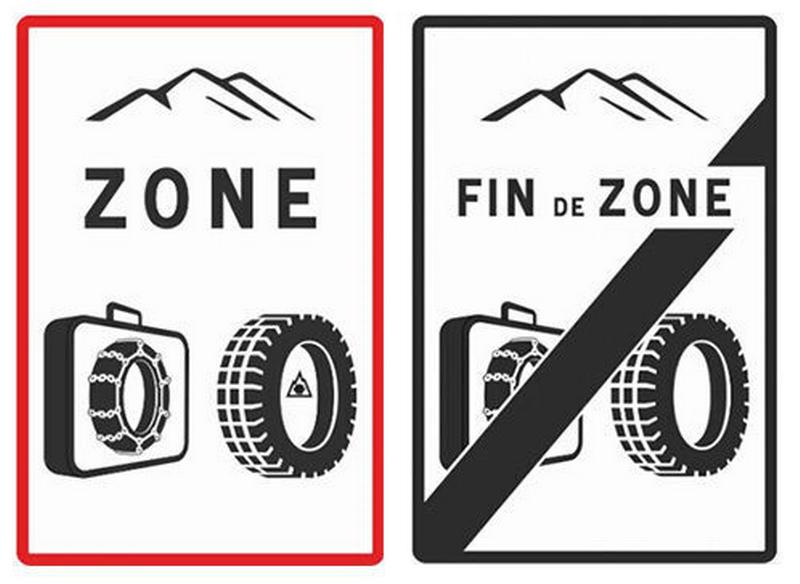
- To improve traffic flow, France makes winter tyres compulsory from the 1st November to 31st March in certain mountainous areas.
- Snow chains are required as indicated by road signs and drivers must carry snow chains on mountain routes.
- Failing to comply to these rules can result in high fines and the police can prohibit any further travel.
Germany 🇩🇪
- Rather than imposing a timeframe, Germany states that winter tyres are a situational requirement required during driving conditions such as snow, slush, ice and frost.
- Snow chains are mandatory when indicated by blue snow chain road signs indicated by road signs and drivers must carry snow chains on mountain routes.
- You must also ensure you have visibility at all times – this means having plenty of anti-freeze in your windscreen wiper system.
- Failing to comply to these rules and getting stuck without the proper equipment can result in high fines and the police can prohibit any further travel.
Italy 🇮🇹
- Winter tyres or chains are required on many Alpine and northern routes from the 15th November to the 15th April but please be aware that these dates may vary by region.
- Snow chains are mandatory on certain routes and you may be turned away from mountain passes without them.
- If you’re hiring a car in Southern Italy, it may not come with winter equipment automatically so make sure you always check.
Netherlands 🇳🇱
- There aren’t any legal requirements for winter tyres in the Netherlands but they are encourages in icy or snowy conditions. As Dutch weather conditions can be unpredictable, particularly in coastal areas, it’s important to be prepared.
- Snow chains are not allowed on public roads as they can damage the roads surface.
Norway 🇳🇴
- Between the 1st November and the first Sunday after Easter Monday, all tyres must have a minimum tread depth of 3mm.
- In Norway, studded tyres may only be used between the 1st November and the first Monday after Easter Monday. In some counties, studded tyres may be used for longer, from the 16th October to the 30th April.
- Snow chains must be carried when driving in snowy or icy conditions unless the vehicle is fitted with studded tyres.
Poland 🇵🇱
- Although not compulsory, winter tyres are strongly recommended in the mountainous regions of Poland.
- Snow chains may only be used when signs state they can be and must be removed when they are no longer needed.
- Studded tyres are banned.
- As weather can be severe in the south (Zakopane/Tatra mountains), so winter equipment is advisable even if not legally required.
Spain 🇪🇸
- Requirements vary by region but in mountainous areas of Spain such as Pyrenees, Cantabrian Mountains, and Sierra Nevada winter tyres or snow chains may be required.
Sweden 🇸🇪
- Winter tyres are mandatory in Sweden from the 1st December to the 31st March when winter conditions, such as snow, ice, slush or frost, are present.
- The winter tyres must either be marked with the alpine symbol, or be studded. Studded tyres are allowed to be used between the 1st October and the 15th April.
- Snow chains are recommended but are not legally required.
Switzerland 🇨🇭
- Winter tyres are not legally required in Switzerland but they are highly recommended, particularly on alpine roads. That being said, it’s worth bearing in mind that you can receive a fine if it’s deemed that your car is unsafe for the conditions.
- Snow chains are obligatory where signs indicate and enforcement is strict in mountainous regions.
- Lots of car hires will come pre-equipped with seasonal tyres but always double check to make sure.
Canada 🇨🇦
In Canada, the rules vary by province.
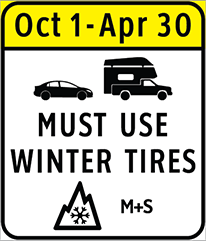
- Quebec requires that your vehicle is ‘winter-ready’ from 1st December to the 15th March – part of this means having winter tyres.
- British Colombia mandates winter tyres or chains on many highways from 1st October to the 30th April.
- Snow chains are often required on mountain passes across all regions.
United States 🇺🇸
As in Canada, the United States has state-specific regulations. For example, many northern and mountain states have chain-up laws. For example:
- In Colarado, the chain law is in effect from the 1st September to 31st May
- The mountains in California including Yosemite require snow chains from the fall into spring.
- If you’re driving through the mountain passes in Washington State between the 1st November to the 1st May, you must carry tyre chains.
Winter tyres are also recommended but are rarely legally required.
Car Hire Excess Insurance
With the slippery roads, reduced visibility and unpredictable that comes with winter driving, the risk of damage to your hire vehicle increases. Even minor damage like bumps, dents and scratches can result in high excess fees from the car hire company.
Car hire excess insurance from Cover4Rentals can protect you against damage to tyres and wheels, windscreens, minor bodywork, and even undercarriage damage. These are areas often excluded from the standard excess waivers offered by rental companies. These vulnerable parts of the vehicle are among the most likely to be affected during winter driving.
Winter Driving Tips
- Always check the local laws before driving into a new country or region
- Confirm what equipment the rental car comes with rather than assuming that snow chains or winter tyres are included
- Drive gently as braking distances greatly increase on snow and ice
- Carry essentials like warm clothing, water and a charged phone
- Allow additional time for journeys and be prepared for sudden changes in weather
- Clear all windows of snow and ice before setting off
Final Thoughts
Being prepared and understanding international winter driving laws in advance will make for a safe and stress-free trip. Whether you’re navigating mandatory chain routes in Austria or driving with required winter tyres in Quebec, the right knowledge and excess insurance will allow you to enjoy your winter adventure with confidence.

Comments are closed