
























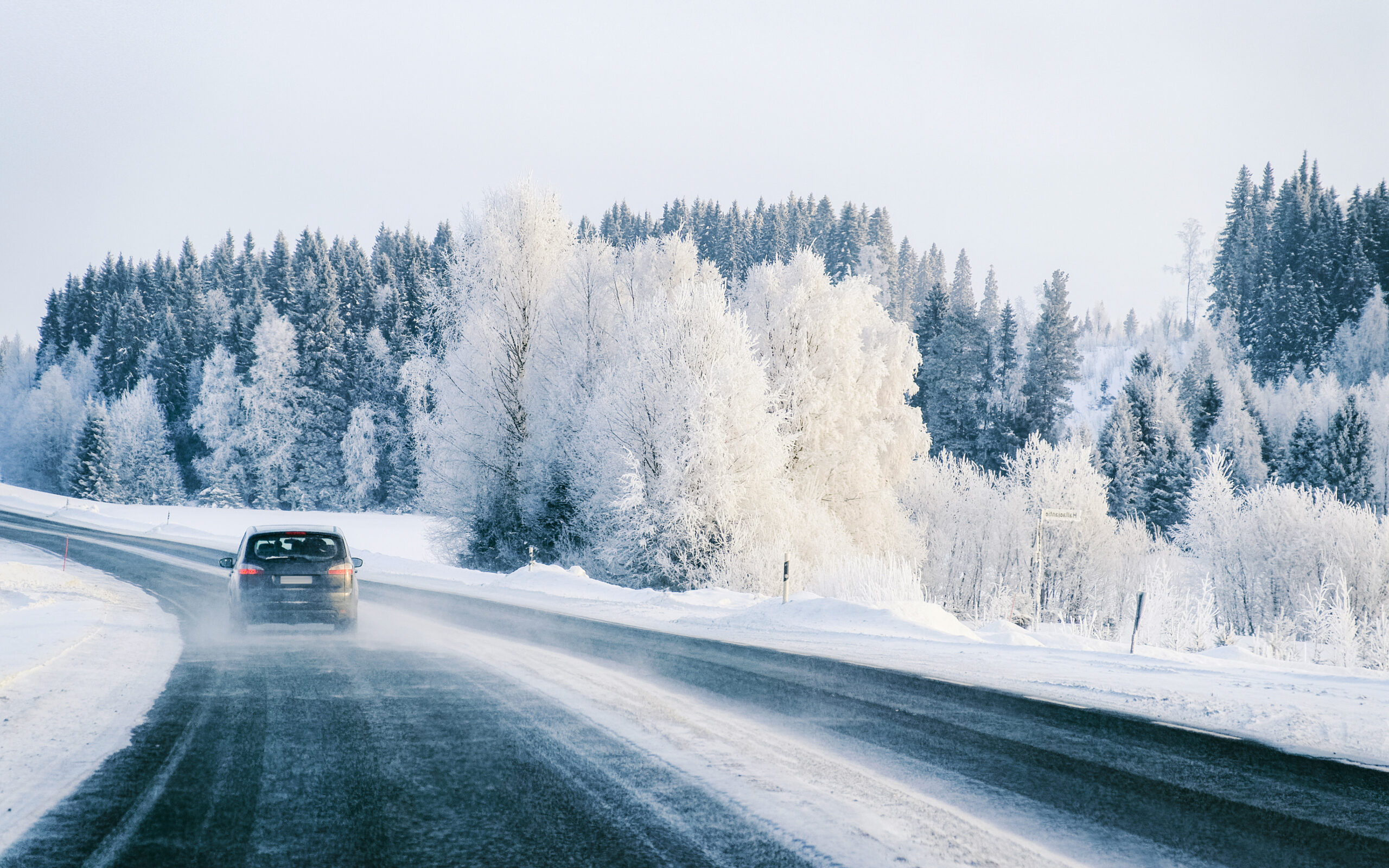
Winter driving can be challenging for even the best, most experienced drivers – and that challenge increases when you’re driving a hire car you’re not familiar with, especially in a different country. Winter weather increases the likelihood of accidents, breakdowns and road closures which is why preparation, a bit of caution and a Cover4Rentals car hire excess insurance policy are all essential. This guide will help you prepare if your hiring a car this winter, giving you practical advice so you can reduce the risks associated with winter driving.
Ask yourself ‘Is this journey essential?’
Before you set off, ask yourself: Can this trip wait until conditions improve? If it can wait until conditions improve, it will be safer to delay.
If it can’t, it’s crucial to ensure both you and your car are fully prepared for winter driving. Delays, road closures and accidents are more common in severe weather, so preparation is key.
Essential Winter Car Checks
Although reputable car rental providers keep their fleet well maintained, it doesn’t hurt to do your own checks as it’s important you know your rental car is set up to deal with the conditions as best as possible. A quick inspection will allow you to prevent breakdowns and avoid damage that could lead to expensive excess fees. Check the following:
1. Fuel
Make sure your fuel tank is full before you set off. This will allow you to avoid running out during delays or if you’re rerouted as a result of bad weather.
Make sure to also always carry an empty fuel can with you just in case you do run out.
2. Tyres
Check your tyres for punctures, cracks, bulges and worn tread. The legal tread depth is 1.6mm but in winter 3mm is ideal.
Some countries legally require winter tyres or snow chains for better traction in snow and the colder temperatures in general so please check your the local rules in your destination before driving.
3. Lights
Make sure your headlights, indicators, brake lights and fog lights are all working properly.
When conditions are dull use dipped headlights; fog lights are for when visibility is under 100m, and hazard lights are only to be used when stationary or you’re signaling a road hazard.
4. Car Battery
Cold weather can reduce battery performance so make sure that the car battery is fully charged. To preserve battery life turn off unnecessary electronics before turning the engine off.
5. Windscreen Wipers & Fluids
Check the windscreen wipers for wear or damage and replace them if necessary. Make sure the screenwash protects against sub-zero temperatures.
Additionally, check that the engine oil, brake fluid, coolant, anti-freeze and power steering fluid are all topped up.
Winter Car Kit Checklist
Now that you’re sure the car is ready to tackle winter driving conditions, you can start to think about what to pack. To be prepared for delays, breakdowns or emergencies, consider packing the following:
- Fully charged mobile phone + charger/power bank
- Snacks and drinks
- Spare warm clothing and footwear
- Blankets
- De-icer & ice scraper
- Torch & spare batteries
- Map
- Sunglasses
- Jump leads
- First aid kit
- Foldable spade
- High-visibility jacket & warning triangle
- Spare screenwash & carpet/rubber matting
- Empty fuel can
- Medications
Some of these items will be provided by the car hire company – just check with them first.
Winter Driving Tips
Plan your journey
The first step is to check for live traffic updates and any road closures using Google Maps, Waze or other traffic sites.
Make sure to also stay informed with Met Office weather forecasts so you anticipate snow, ice or freezing temperatures.
Allow extra travel time as winter weather can lead to reduced traction, slower traffic and increased braking distances.
Prepare for winter conditions
Make sure to clear all snow, frost or ice from all your windows, mirrors, lights and the roof to ensure you have full visibility and avoid creating hazards for others.
Adjust your driving style
As well as allowing extra travel time, you also need to take your time. Drive at a reduced speed to maintain control on slippery surfaces.
Be sure to also increase your following distance as stopping distances can be up to 10 times longer in snow or ice.
Where possible use higher gears to reduce wheel spin on low-grip surfaces – try to pull away in second.
Avoid using cruise control as you need full manual control to react safely to sudden changes in the road surface and traction.
Take care on hills. If you’re going uphill maintain a steady speed and avoid stopping partway up. If you’re going downhill, use a low gear and brake gently. Make sure to keep a large gap from the vehicle ahead.
When it comes to taking corners try to brake progressively before the bend and then steer smoothly. Avoid braking or accelerating as you’re turning.
Keep your dipped headlights on in poor visibility. If visibility drops below 100m, use your fog lights but make sure to turn them off as soon as conditions improve.
If you come across areas with untreated snow or ice, avoid the compacted tracks – fresh snow often will provide better grip than icy wheel ruts.
It’s worth noting that the bright sun reflecting off snow and ice can cause glare so use sunglasses if needed. Definitely put them in your at least.
Handling skids
If the front wheels have lost grip you need to understeer. Ease off the accelerator and gently reduce steering so the tyres can regain traction.
If the rear wheels have lost grip you need to oversteer. Ease off the accelerator and steer into the skid to straighten the car.
If you feel yourself skidding, try to stay calm and avoid harsh braking. Where necessary brake gently and progressively.
Black ice awareness
Black ice is not black at all – it appears as thin, transparent and hard-to-detect ice. It resembles wet tarmac.
If you do hit black ice try to keep your steering straight and don’t brake or accelerate suddenly. Allow your car to pass over the ice slowly and gradually until you regain traction.
Snow ploughs and gritters
Maintain a considerable distance behind gritters and ploughs to avoid salt spray, stones and debris damaging your car.
As winter road debris can cause accidental damage, car hire excess insurance is important, particularly as it will impact delicate components such as the tyres, windscreen and undercarriage the most.
Final Thoughts
Driving in winter conditions demands extra preparation, care and patience; staying alert and adapting your driving style is essential. With car hire excess insurance in your arsenal too you can have peace of mind throughout your winter journey. When conditions worsen, consider delaying your journey, choosing alternative rotes or using public transport as no travel is worth compromising your safety for.

Comments are closed