


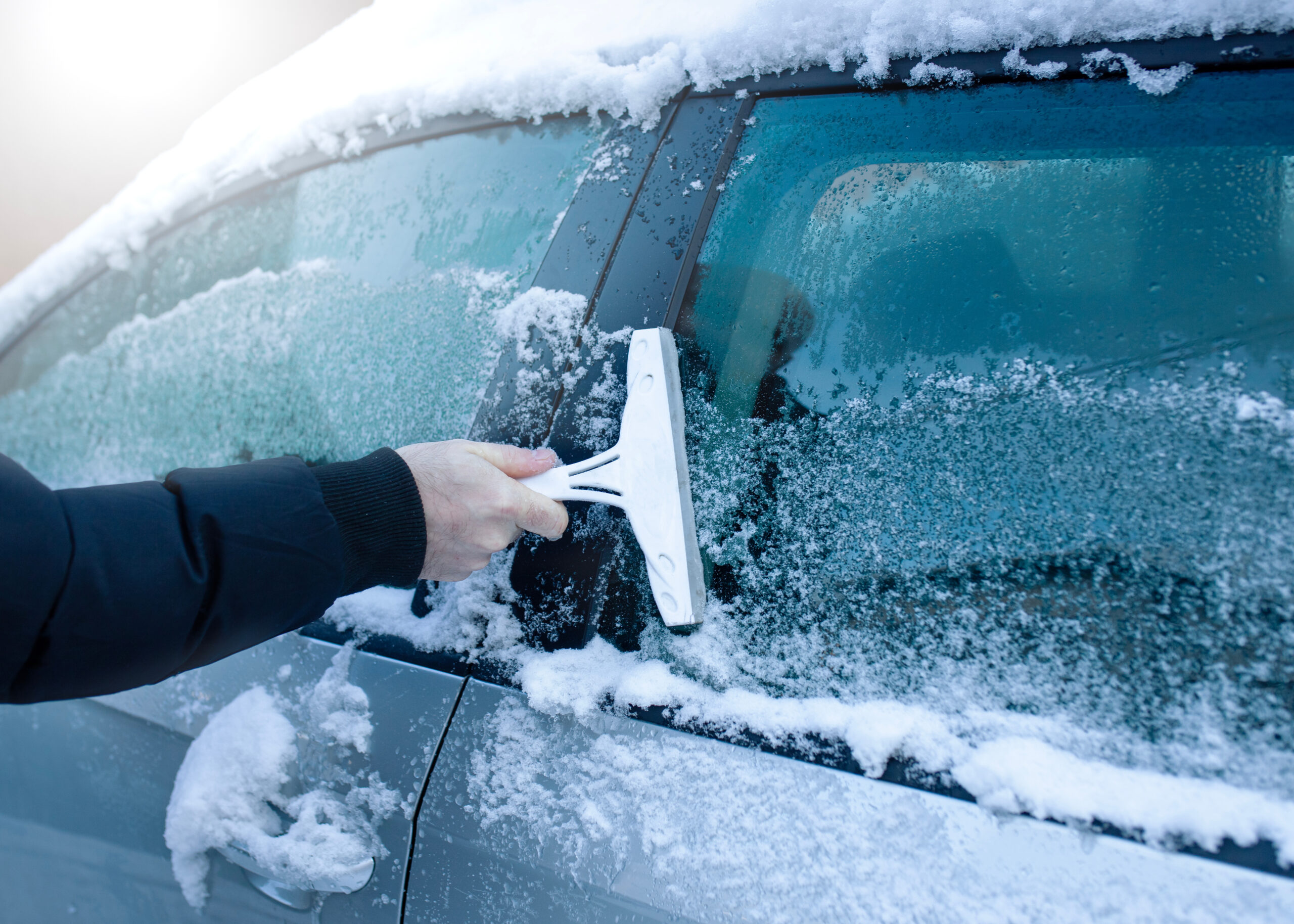
Freezing winter temperatures can cause ice to form on your windscreen. This can slow you down in the mornings so knowing how to de-ice your car both efficiently and safely is important. Doing it the wrong way could cause damage to the windscreen and the wipers which could result in large excess fees from the car rental company.
Whilst having a Cover4Rentals excess insurance policy for hire cars would ensure you weren’t left out of pocket, it’s best to avoid damaging the car altogether. This guide explains how you can safely de-ice your car.
1. Check your wipers are off
Before you turn your engine on to get the heaters started, you should check that your wipers are switched off. If they’re frozen to the windscreen when the motor activates, the rubber can tear or the wiper mechanism can burn out.
If the wipers blades are frozen, try to lift them gently. Don’t force them as if they’re properly stuck as this could also cause damage. Spray a de-icer around the bases of the wipers and allow the defroster inside the car to warm them until they begin to loosen on their own.
2. Turn your engine on
To begin the process of de-icing your car, you need to turn on your engine. Don’t allow your car to sit idle with the engine turned on for too long though as this can end up damaging the engine. It’s also not environmentally friendly.
3. Turn the heaters on
After turning on your engine, look for the defrost setting in your car and push the button with this symbol. You’ll be able to turn the fan and point it in the direction of the windscreen as well as the windows. It’d important that all windows, wing mirrors and, of course, the windscreen are clear so you have a good range of vision as the driver.
To melt the ice on the rear windscreen there will be a similar looking button – press this.
If you can, turn all these settings onto the highest temperature possible. The ice will melt faster. Don’t worry about damaging the glass by turning the heat up – they’re designed to only reach a heat that won’t damage the glass.
Some cars have heated windows which use thin mesh wires within the windscreen. They’re able to reach to a high temperature quickly to melt the ice.
As well as turning the heaters on you should turn the air con too – this will remove moisture from the air to stop the car misting up.
4. Clear the car of ice or snow
As the windscreen starts to thaw, use the time to clear the rest of the vehicle.
Using a soft brush, brush snow off the roof, grille and bonnet. You need to ensure that all headlights, brake lights and indicators are also free of snow.
If there is ice on other components of the car, use an ice scraper and de-icer to remove it.
5. Avoid using water
Using warm water on the glass can cause it to expand and contract quickly. The flexing of the windscreen could make the glass crack, particularly if there are already small chips or crack in the windscreen.
On really cold days this water could also refreeze really quickly, creating an even thicker layer of ice on your windscreen.
6. Use the right tools
Always use an ice scraper that has been intended to be used on vehicles. They are designed to be sturdy enough to remove the ice but gentle enough to avoid scratching the glass. Avoid using things like metal tools and credit cards.
7. Make sure you have good visibility
If you’re in a hurry, it can be tempting to drive off as soon as the ice has cleared a little but you need to make sure you have good visibility of the road. Driving with just a small gap you can see through is called ‘portholing’. Driving with obscured vision can lead to a £100 fine in the UK and three points on your license. So, always make sure that every window and mirror is clear before you set off.
How to Prevent the Car Windscreen Freezing
The best thing to do is to park in a garage or somewhere inside. If is not an option for you, you can use a car cover. These are durable and fitted PVC covers that prevent frost forming directly on the glass and they can be easily removed before you head off on your car journey. You’ll probably still need to turn on your air con and windscreen heaters, but the cover will reduce the time you spend removing ice from the windows.
If you don’t want to cover the whole car, you could cover use a windscreen cover that hooks onto the door mirrors or mirror bags that prevent ice forming on your wing mirrors.
Covers will significantly reduce the de-icing time in the morning, just make sure to clean and dry the covers regularly to prevent mould or algae from forming.
What to Do if Your Windscreen Freezes on the Inside
The inside of your car windscreen will freeze if there’s humidity on the inside – moisture inside the car will meet the cold glass and condensation will form. High humidity levels inside vehicles are often caused by things like wet clothes or umbrellas, poor ventilation or sunroofs and seals that allow moisture in.
To reduce the likelihood of this happening you need to make sure your car is well-ventilated. Also remove any damp items from the car and place silica gel packs in cup holder or door pockets. You can also use anti-fog sprays to limit condensation.
Final Thoughts
The right tools and know-how will allow you to be confident that you’re deicing your car safely and avoid unnecessary damage which is especially important for driving a rental car.



Comments are closed